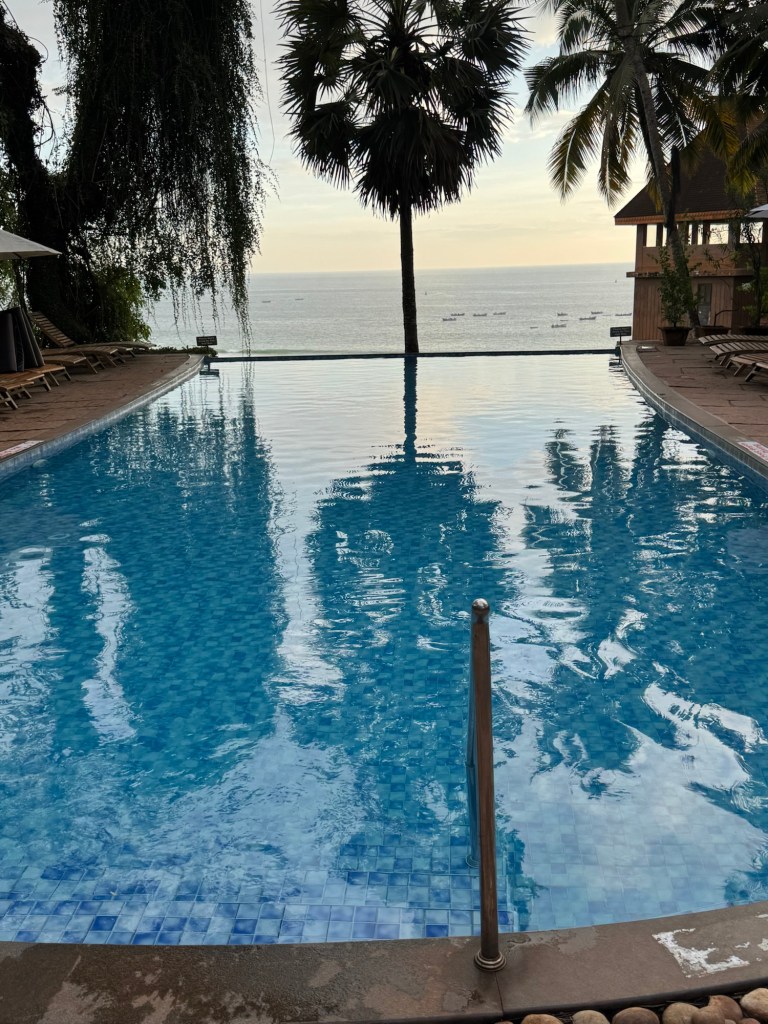
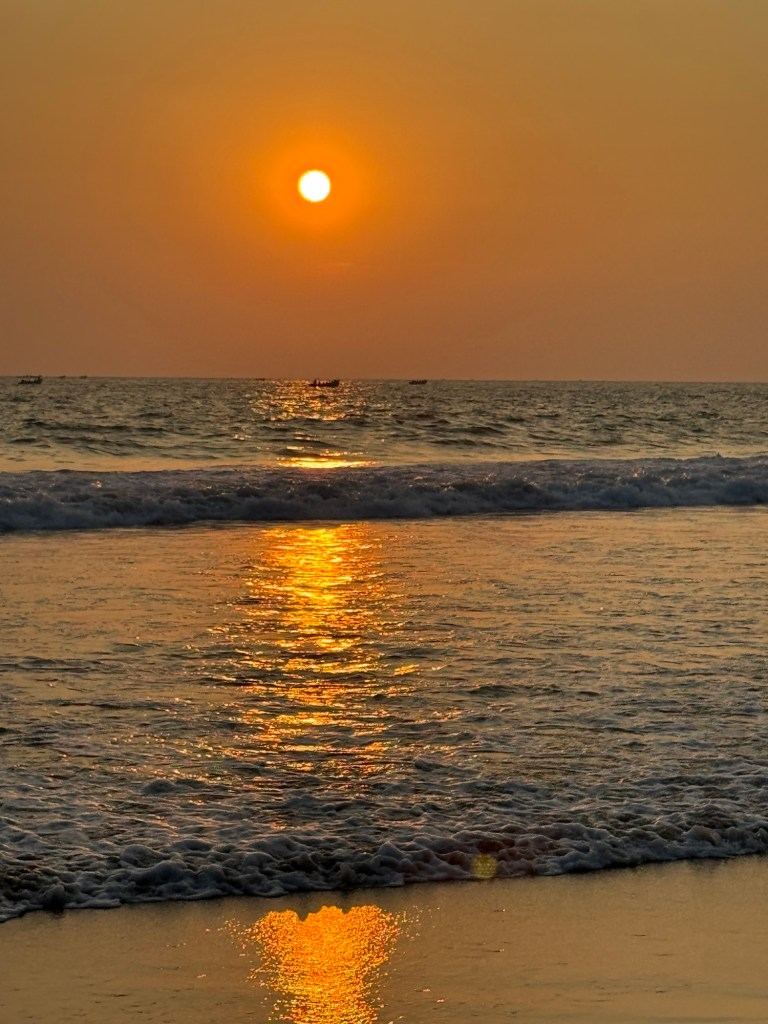
Ten days of Ayurvedic therapy ended on Christmas Day, and the beach at Somatheeram came alive beneath a new moon. Music and dance spilled across the sand while the Arabian Sea broke in rhythmic applause. The deep-tissue massages – herb-infused oils, warm milk, and fermented rice – had stripped away the invisible layers of fatigue. I felt newly porous to the world: light sharper, air sweeter, the senses reawakened.
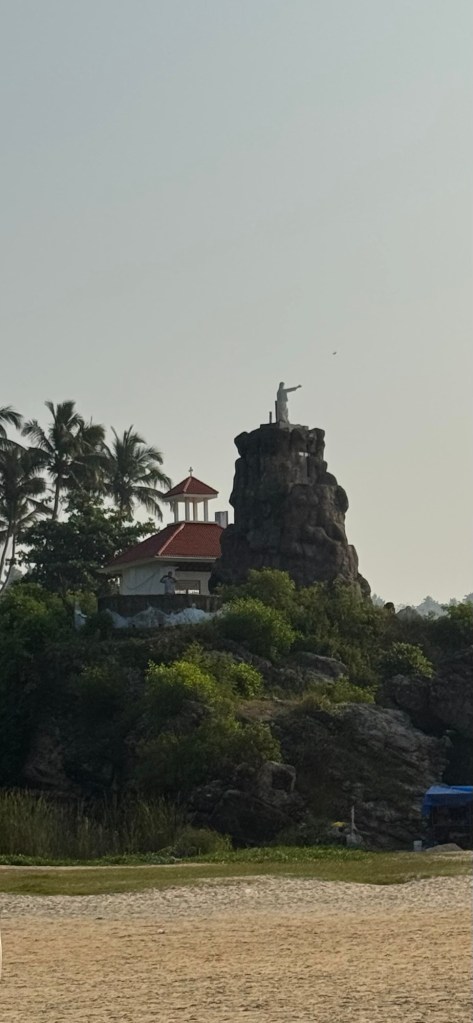
At dawn the next morning, the figure of Christ—arms open, face radiant in the sunrise – watched over the remnants of celebration: footprints, paper plates, and plastic bottles scattered among the waves. Alcohol was absent; Kerala’s stringent controls keep it that way.
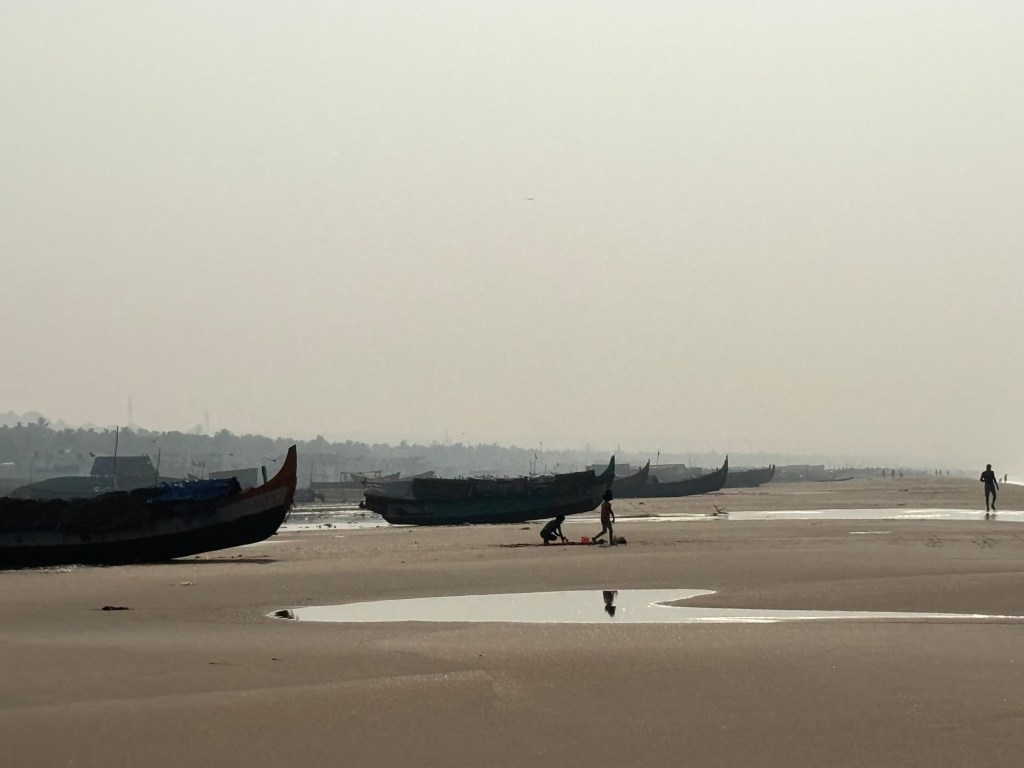
Teenagers combed the beach for recyclables while families chased the retreating tide. A newlywed couple posed against the surf as fishermen hauled in their nets. Farther up the shore, Lord Shiva and Parvati stood immense and unmoving, their stone eyes turned inland toward the temple.
Even in stillness, Kerala feels animated by movement – trade winds, pilgrim footsteps, coconut fronds whispering in the salt breeze. This southwestern edge of India has absorbed the world’s stories for more than two millennia: Arab traders bearing incense and gold, Chinese junks heavy with silk, St. Thomas preaching a new religion, Vasco da Gama’s sails cutting the horizon in search of spice.
Here, ancient and modern intertwine with ease. Ayurveda’s three-thousand-year-old therapies coexist with a communist government that prizes literacy and social equity. Nearly 99 percent of Keralites can read and write – a figure unmatched elsewhere in India. Early Christianity took root here within a generation of the Crucifixion, even as barefoot pilgrims continue to trek to Sabarimala’s remote shrine. And deep beneath the sanctum of Padmanabhaswamy Temple, the 2011 unsealing of hidden vaults revealed a $20b trove of jewels and idols – glimpses of the region’s layered opulence.
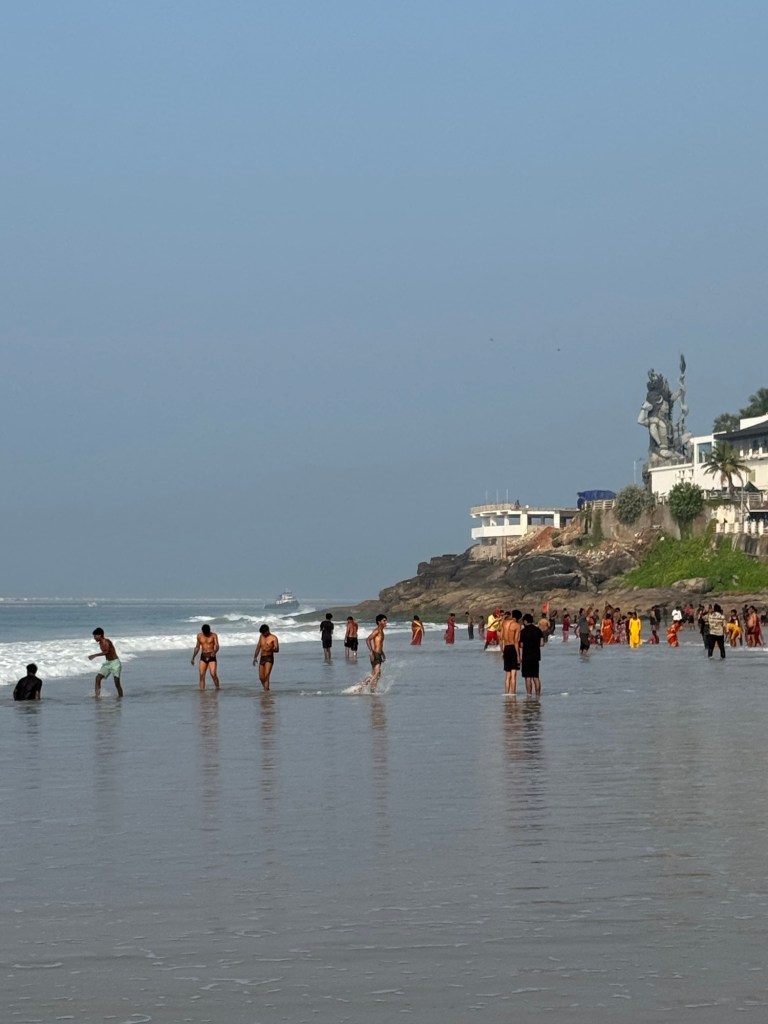
This is my third stay at an Ayurvedic retreat on Trivandrum’s coast. I won’t claim a cure, yet something essential shifts each time. The careful choreography of massage, yoga, and vegetarian fare seems to cleanse more than the body – it quiets the mind, dilutes the noise of elsewhere. At $250 Canadian per day, with comfort wrapped in sea breeze and ritual, it feels an honest price for peace.
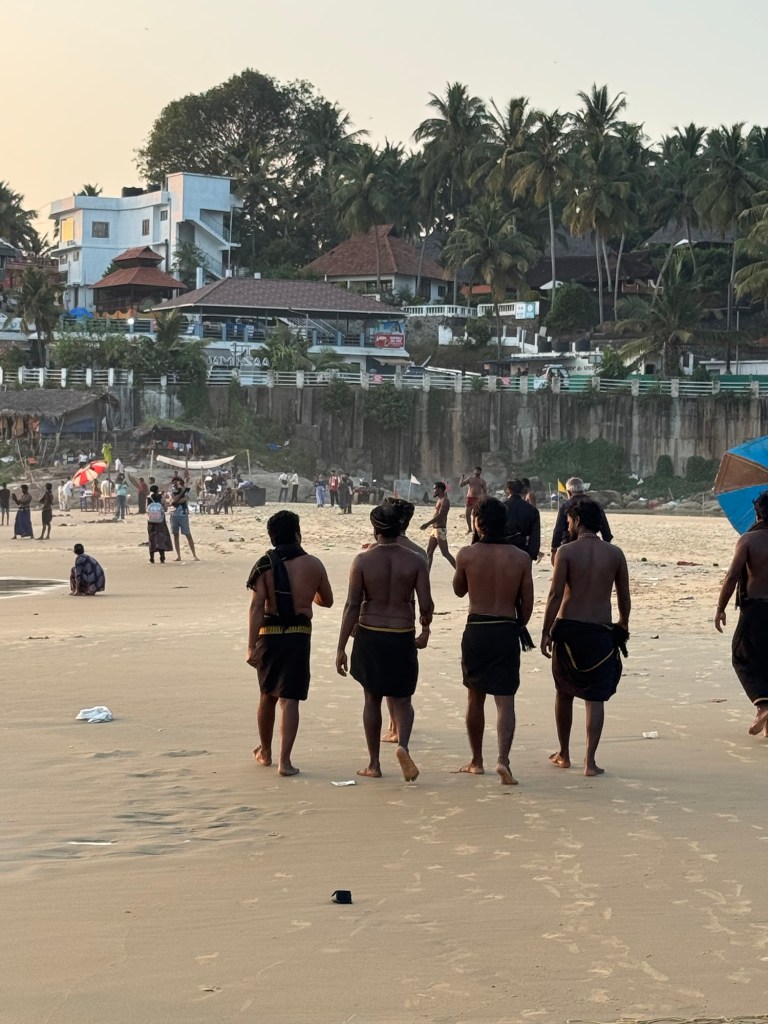
Later, as I prepare to leave, the scent of sandalwood still clings to my skin. The sea beats its pulse against the shore, a patient rhythm that outlasts empires and travelers alike. Kerala gives as much as it treasures – an ancient land where healing is not an escape from the world, but a clearer way of returning to it.
 Vidante
Such a beautiful description and reflection of your time at the retreat.
LikeLike
Thank Leeann, I hope you had a relaxed trip back, and find what you sought.
LikeLike