Motorcycles dominate the roads of India. In the millions of villages the domination is more pronounced since two wheelers can more easily navigate the crowded, narrow, severely uneven roads more readily than cars. These rural roads crowd into the very edges of the broad, high speed multilane federal highways on both sides – highways that do not allow three wheelers and two wheelers.
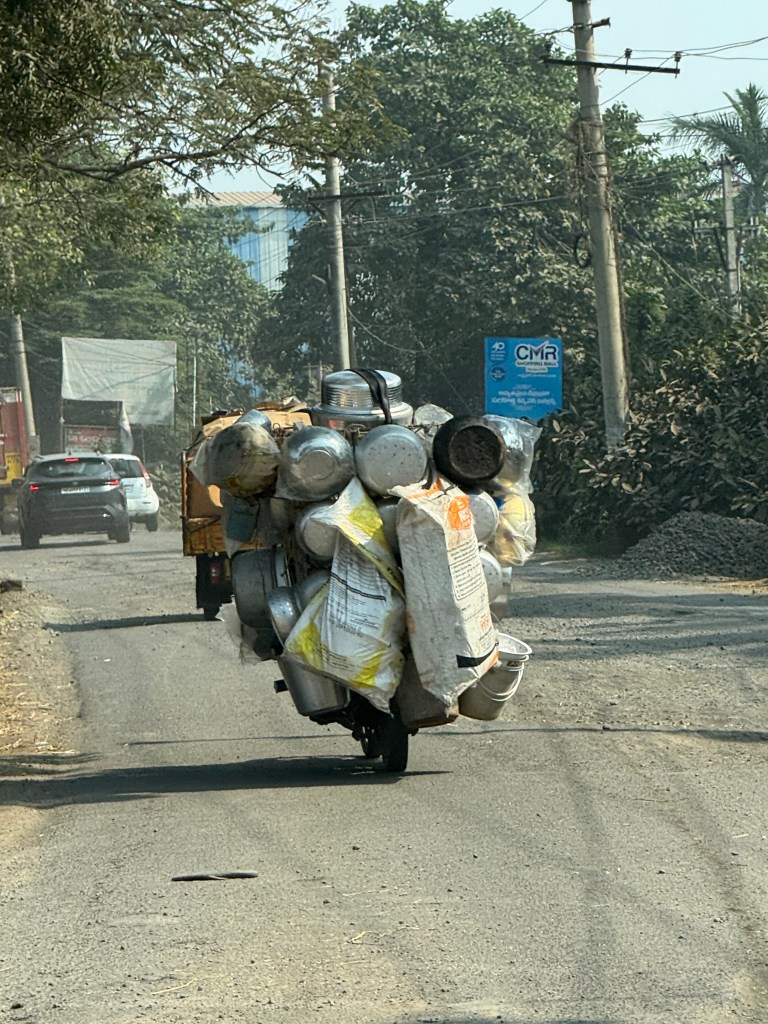
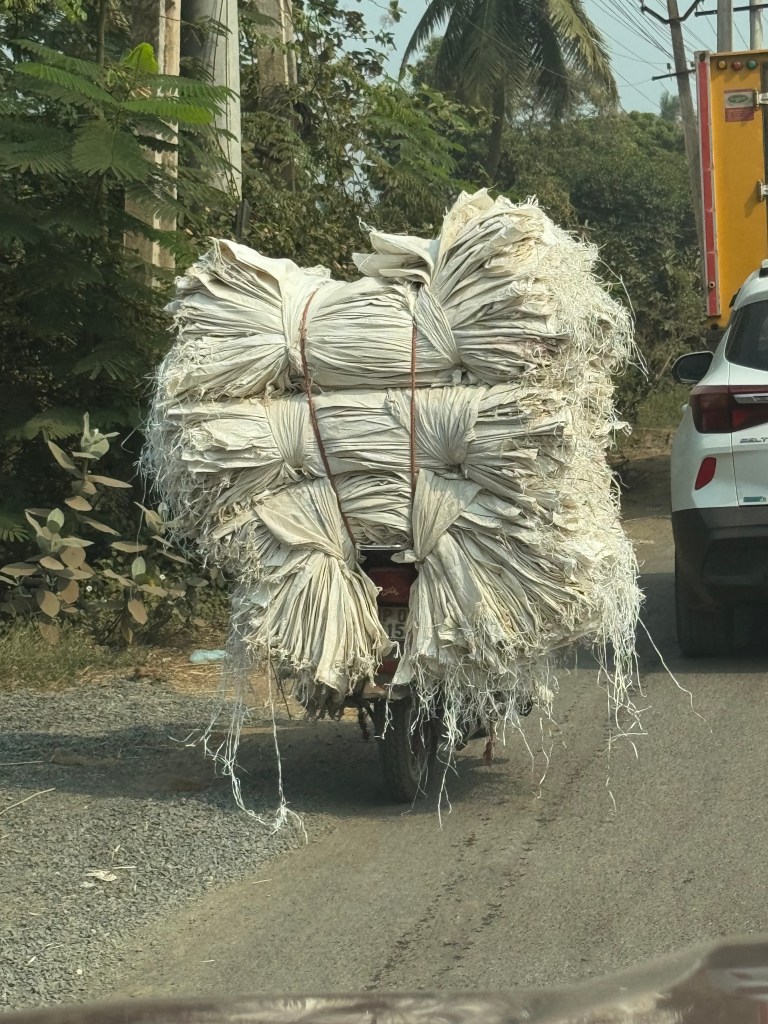
India is booming, and evidence of the remarkable economic growth pervades even the tiniest of villages – gone are the bullock carts, and the foot traffic that once took centre stage now stays along the curb-less edges. Even bicycles have given way to motorcycles as the lowest strata of the population has discovered the economic benefits of faster locomotion.
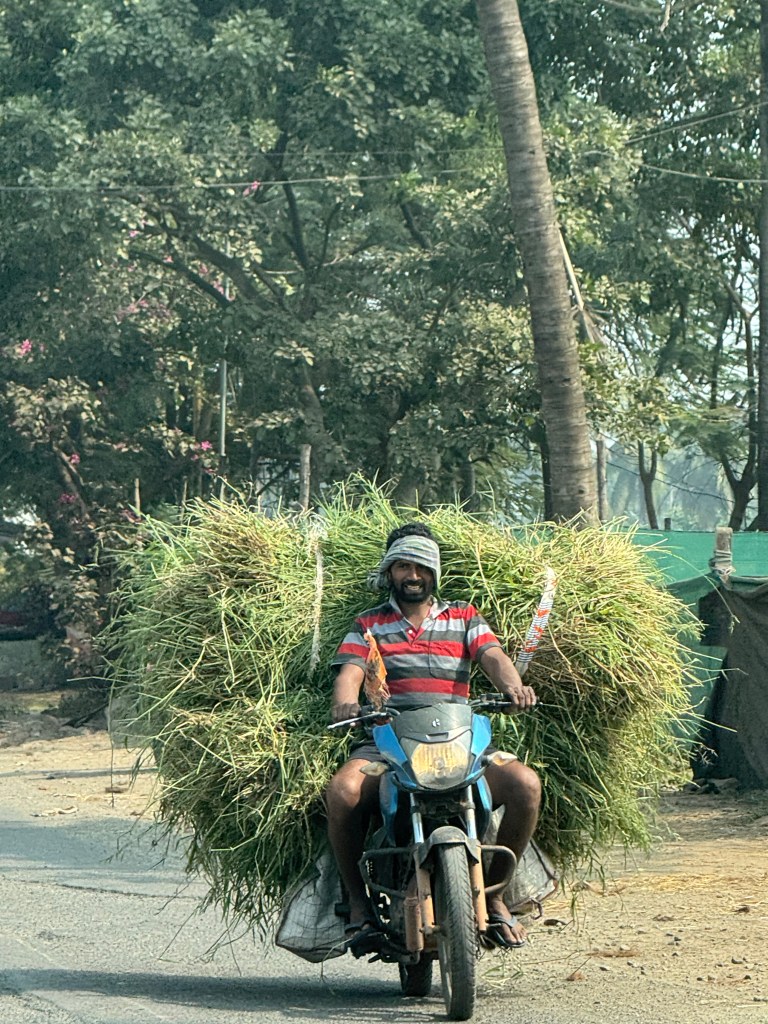
The riders display remarkable feats of traffic-weaving around four wheelers, pedestrians (many of them barefooted pilgrims to local deities), massive slow-moving lorries, occasional herds of water buffalo, with remarkable agility, even on some of deeply carved dirt roads. All this while carrying goods to market strewn over several towns or often transporting the entire family of five to schools, temples, and churches.
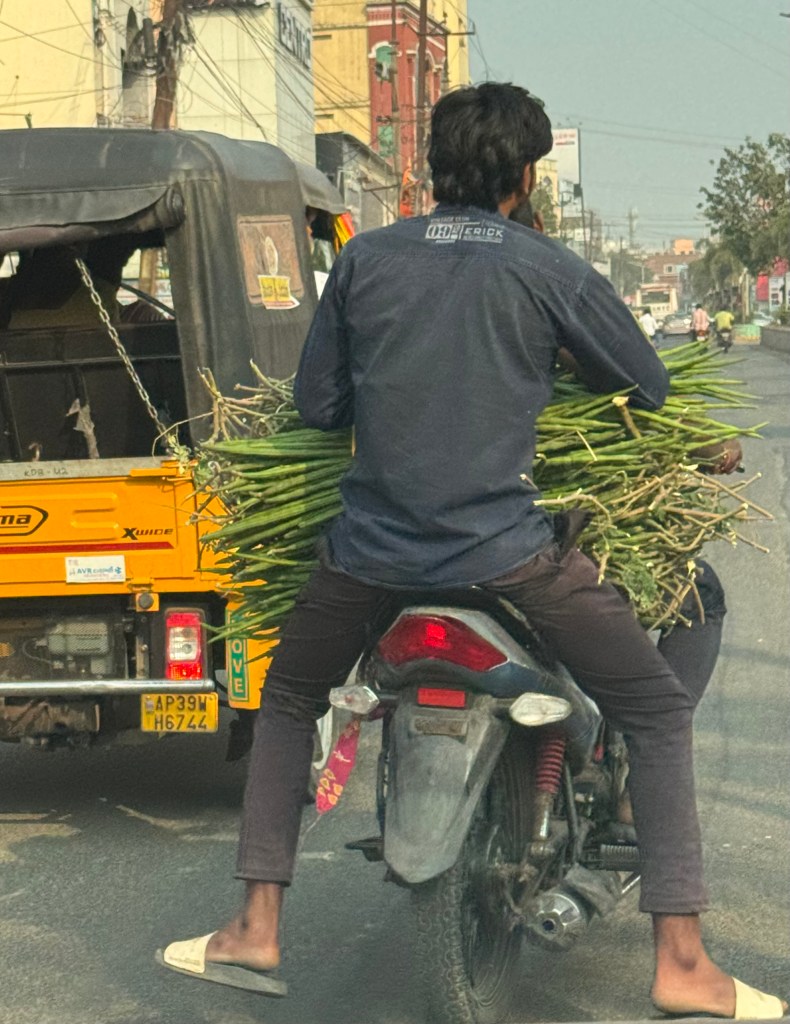
For servants and labourers once locked into caste professions rapid locomotion has opened avenues for entrepreneurship and side hustles never seen before. Ultimately, it is the expansion of the economy, and the pace (though slower in rural areas) of infrastructure development to support it that will create a new India of millions of entrepreneurs. Eventually it will be the speed of transportation that will enable new entrants into the an increasingly modern economy.

