“You need to you take care of the young woman.” My 97 year old father said to me, “I will not live much longer” The snow curled and fell gently past his eleventh story apartment in Ottawa. The city was cloaked in grey, the streets below grey with snow, the buildings like grey sentinels.
I looked through the photos of the tiny woman – barely four feet tall, standing awkwardly on one leg while the other was wrapped past the knee in a metal brace. One arm was limp, and she held a phone with the other. Despite her overly large tongue which twisted outside her mouth, her eyes and mouth betrayed a broad smile. She wore a bright green half sari worn by unmarried women with white sash and had a big red dot in her forehead.
“I first saw her seven years ago.” My father said, “when I went to grandpa’s village to inaugurate the health clinic. She came with her parents on her hand and knees. She has knee pads on and a wooden clog on the left hand. I asked her father what was wrong with her. He told me she was born that way. She was eighteen at the time.”
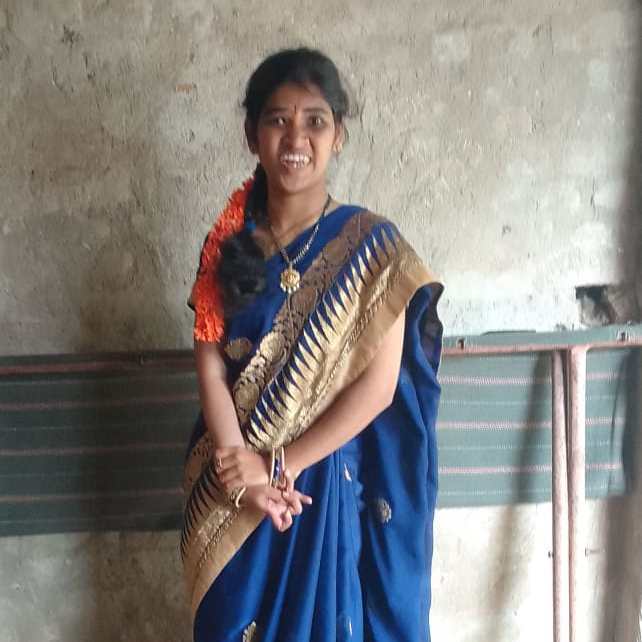
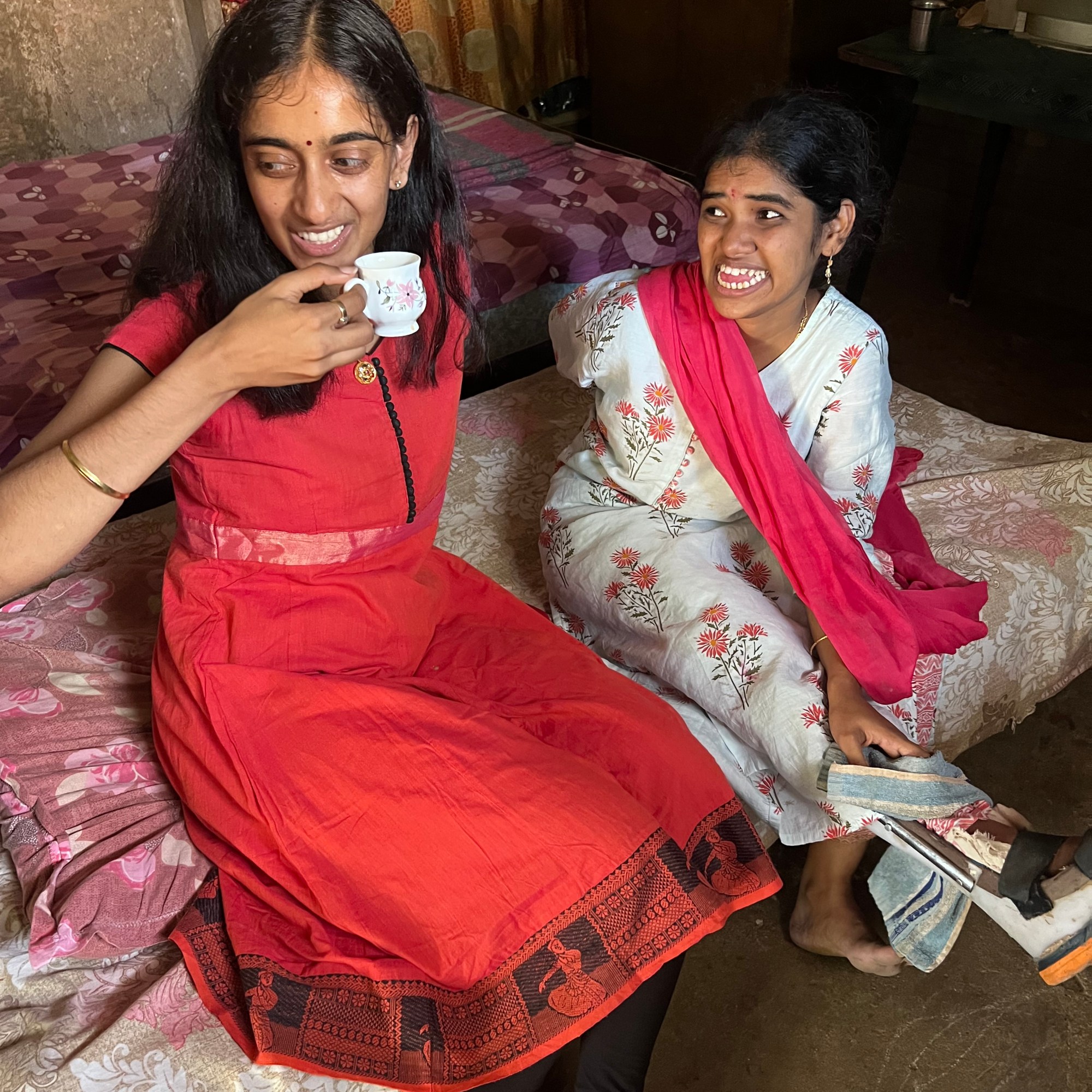
Vandram is a tiny village that can only be reached by a five kilometre, rutty, dirt road that a car could barely navigate. The village is poor by local measure and clings to a canal that often overflowed and clawed away part of the road. Unlike prosperous villages nearby, Vandram could not enter into highly profitable fish and shrimp farming. Instead it would continue to grow rice in small holdings and often could only have one crop annually rather than two. The changing weather has made the rains more and more intense and inconsistent and the yields had been dropping for years.
Anusha’s family are extremely poor. They welcomed us into their tiny dark home which opened into their only bedroom. Anusha was in ecstasy to have us visit. “That’s all she talks about.” Her father said through a noticeable stutter, “and when your father died she could not stop crying for days. Your father gave her a life.” He said and tears formed in his eyes. “Look,” he said, “she can walk now without any help”
My father had her sent to Hyderabad six years before and arranged to have her seen by a leading orthopaedic surgeon. They operated on her legs at great expense – inserting metal rods through one leg, and casting a knee brace on the other. It was deemed too risky to operate on her tongue but the speed and accuracy of her texting on the phone was far more efficient than most tongues.
We had been texting each other since the day I called to tell her my father died. That was four months before. She walked out of the door and back to demonstrate and sat beside my daughter and held her arms. “I can’t text as fast as you.” I said in Telugu and she laughed, and she texted that she is slower in English. When we got up to leave, she clasped my knees and tried to speak. “She is saying that your father is her god.” Her mother said.
“Is she getting Rs. I 2000 a month from the trust my father setup?” I asked. “Yes. Yes.” Her father replied. “I am the trustee now,” I told him, “so if you have any problems let me know.”
Several villagers had gathered outside the house. Many stood and watched with hands folded. I greeted them one by one and asked about their health. They only smiled and nodded their heads. We went back to the car. The village was otherwise still. The mid afternoon sun bore down and all living beings sought out the shade. I looked back at Anusha as we drove away. She smiled broadly. As we drove down the narrow village road I looked at my phone: Anusha texted in Telugu, “It is because of your father and your family, my life is not awful.” and she added in English. “I love you all, pedananna (elder father).”
 Vidante